


🎄 Christmas First Aid: The Most Common Festive Accidents (and How to Handle Them)

Christmas is a time for family, food and festivities — but it’s also one of the busiest times of year for accidental injuries. From kitchen mishaps to festive falls, knowing some basic first aid can make all the difference.
Here are the most common festive accidents we see at Christmas, and what to do if they happen.
1. Cuts and Lacerations in the Kitchen
With sharp knives, rushed cooking and lots of helpers, cuts are incredibly common.
What to do:
Grazes rinse under clean running water
Bigger cuts apply pressure to stop bleeding
Cover with a sterile dressing or plaster
Seek medical help if the cut is deep, gaping or bleeding heavily
Tip: Slow down — most kitchen injuries happen when people rush.
2. Burns and Scalds
Hot ovens, boiling gravy, pans of oil and hot drinks are a perfect recipe for burns.
What to do immediately:
Cool the burn under cool running water for at least 20 minutes
Remove jewellery or tight clothing (if safe to do so)
Cover loosely with cling film or a sterile dressing
Do not use butter, oils or creams
Call 999 or seek urgent help for large, deep or facial burns or blistering that is bigger than the palm of their hand.
3. Choking at the Dinner Table
Choking is a serious risk at Christmas, especially with turkey, stuffing, sausages and sweets. Children and elderly relatives are particularly vulnerable.
Signs of choking:
Difficulty breathing or coughing
Blue lips
Inability to speak
What to do:
Encourage coughing if they can
If not, give 5 back blows
Follow with 5 abdominal thrusts
Call 999 immediately if the blockage doesn’t clear
Knowing how to act quickly can save a life.
4. Candle and Decoration Injuries
Candles, fairy lights and decorations can cause burns, fires or cuts.
First aid tips:
Treat minor burns as above
For glass cuts, stop bleeding and clean the wound
Keep candles away from children, pets and curtains
5. Alcohol-Related Accidents
More alcohol often means more falls, cuts and poor decision-making.
Common issues include:
Falls on stairs
Head injuries
Burns and cuts
What to watch for:
Head injury symptoms (vomiting, confusion, drowsiness)
Someone who “can’t be woken”
If you’re worried, always err on the side of caution and seek medical help.
6. Slips, Trips and Falls
Icy paths, wet floors and crowded homes increase the risk of falls, especially for older relatives.
What to do after a fall:
Check for pain, deformity or dizziness
Don’t rush someone to stand up
Keep them warm and comfortable
Call for help if there’s any concern
Be Prepared This Christmas
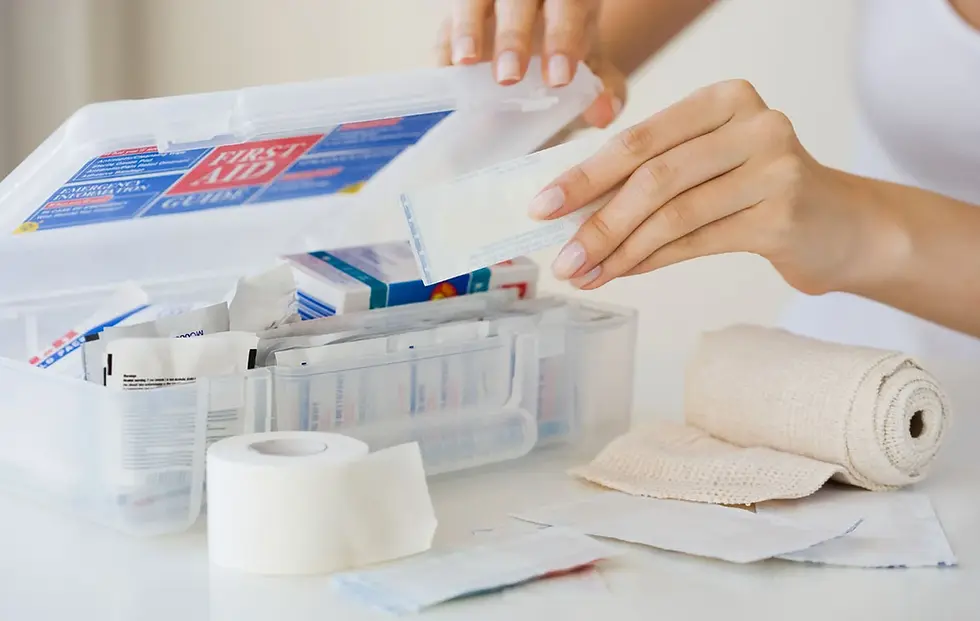
A well-stocked first aid kit and some basic training can help you deal with emergencies calmly and confidently.
At Wiltshire First Aid, we provide practical, hands-on training to help you protect your family, colleagues and community — not just at Christmas, but all year round.
Stay safe, enjoy the festivities, and know that first aid knowledge really does save lives.


Comments